Choral and Orchestral Concert 1, 8th March
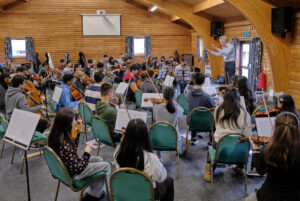
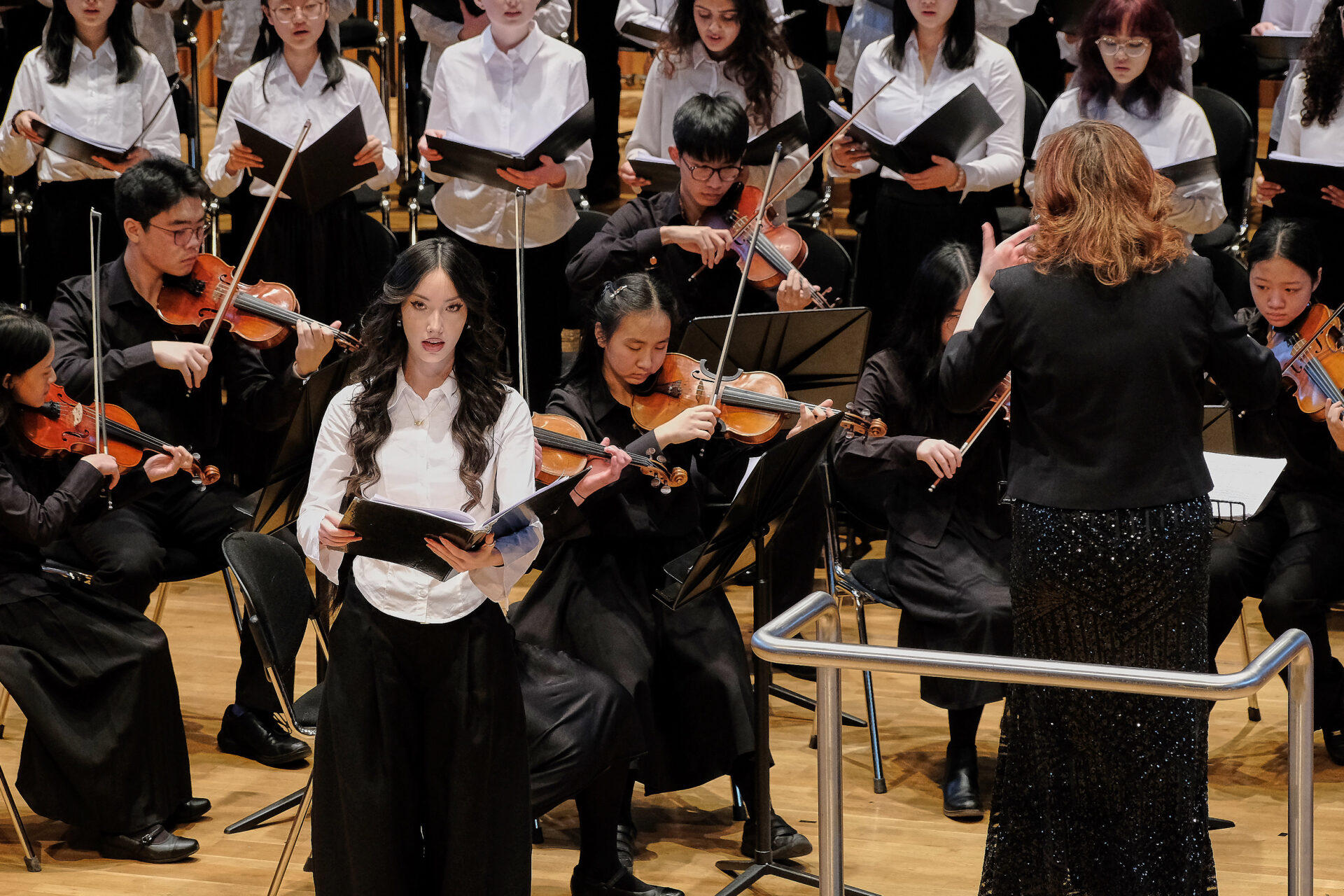
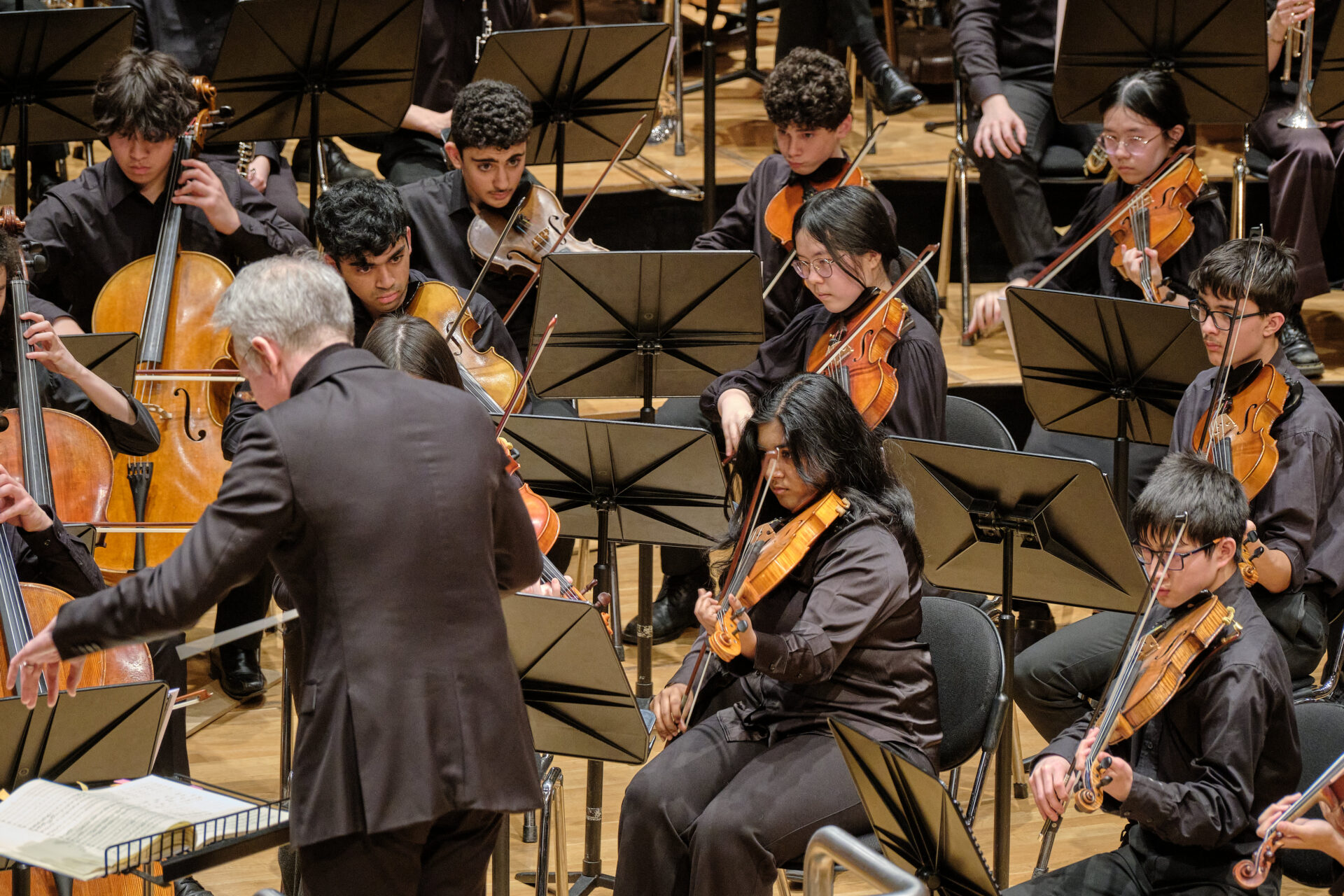
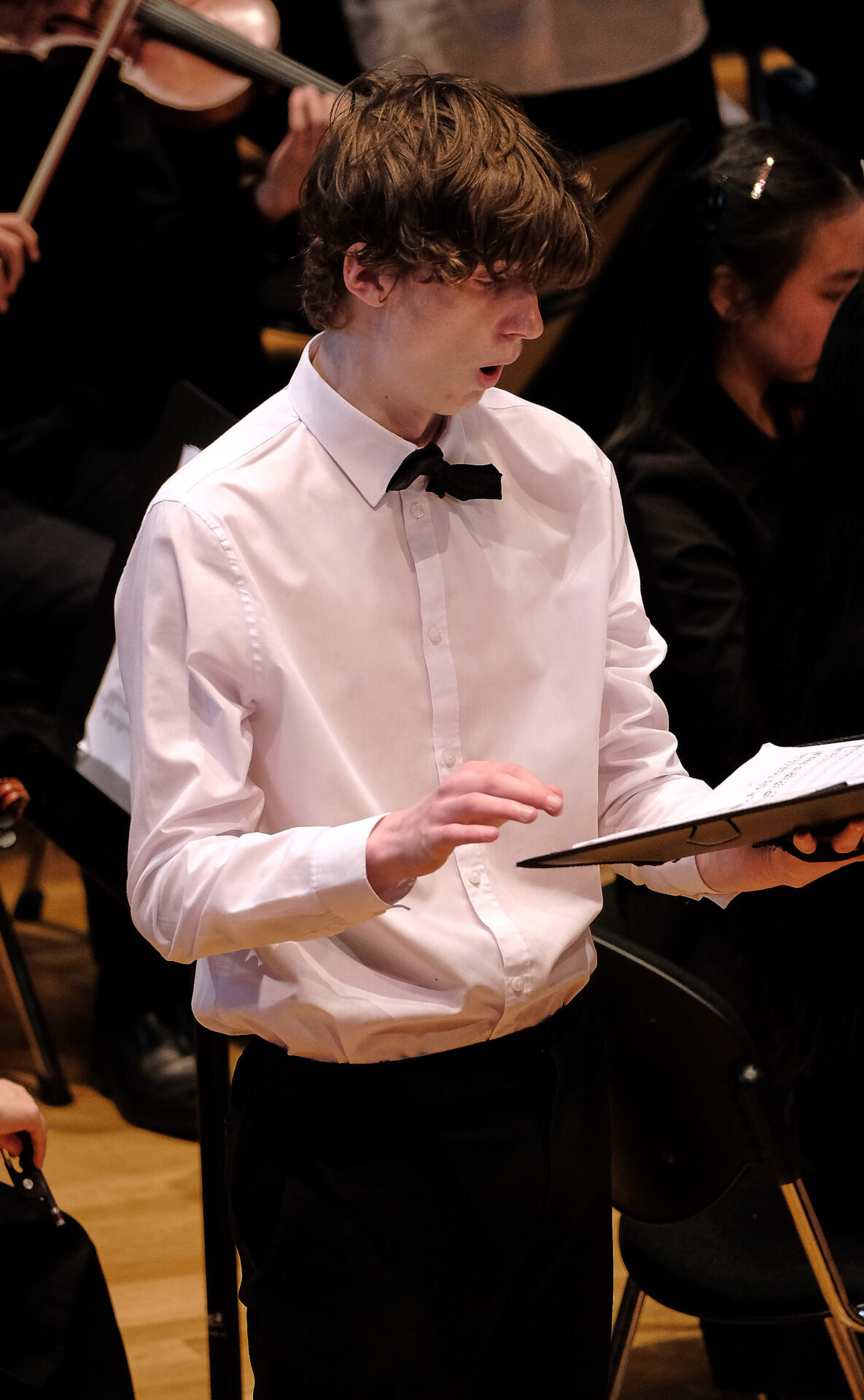
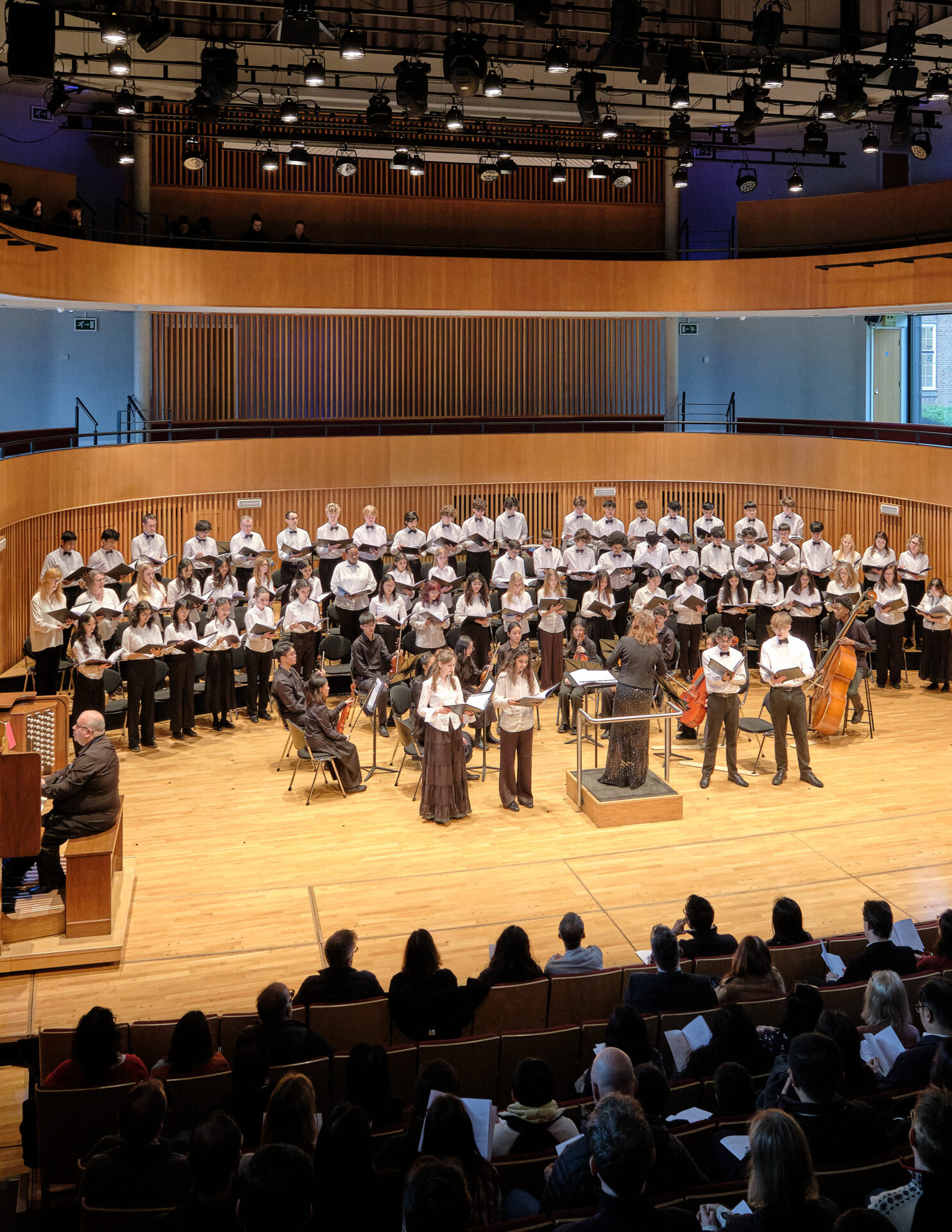
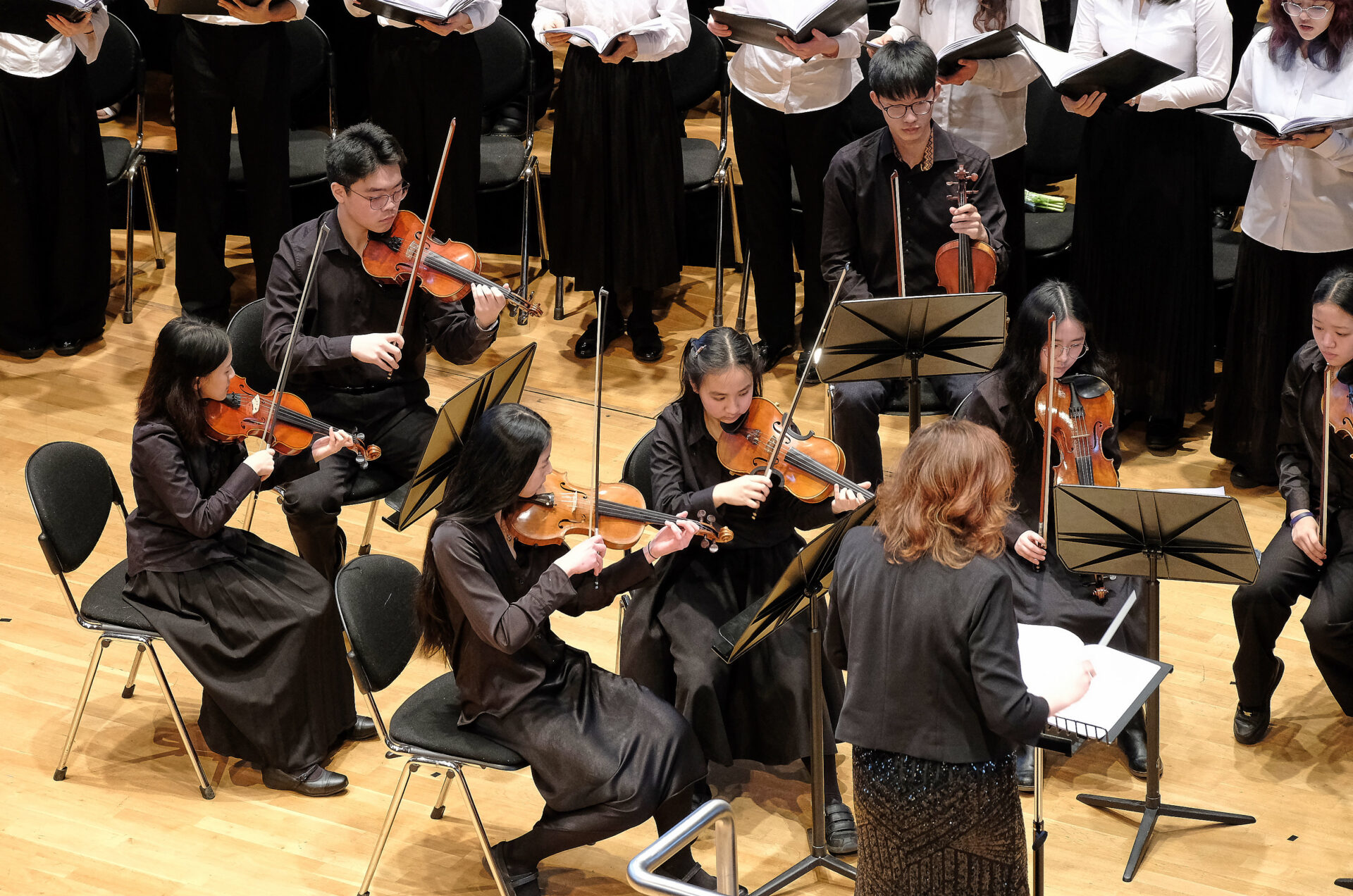
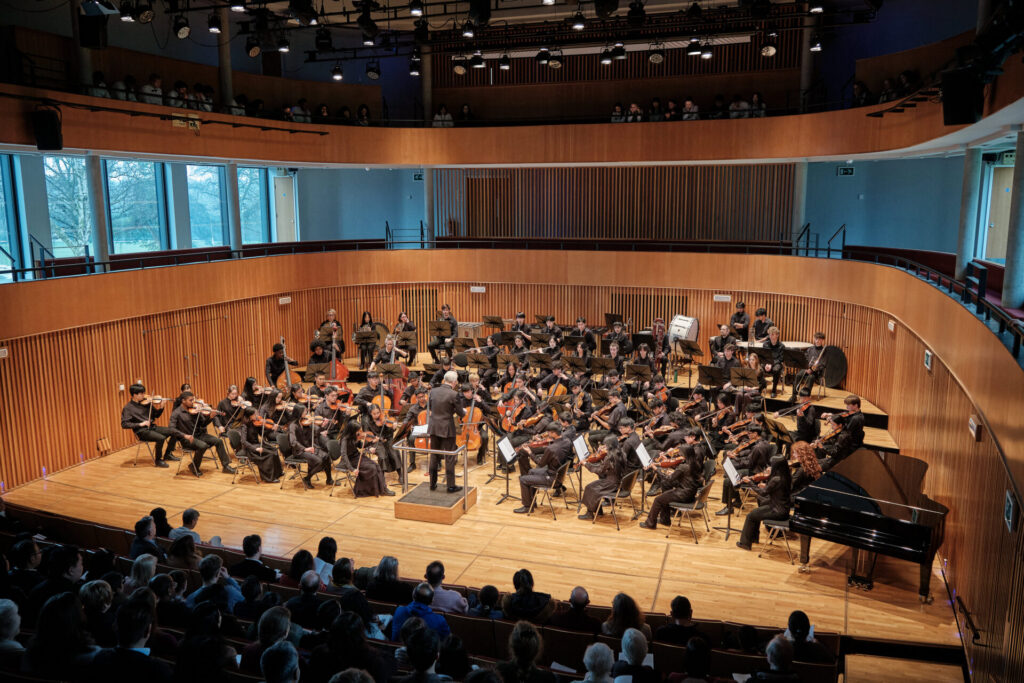
If you missed Sunday’s choral and orchestral concert, suffice to say that you missed a treat. It began with Mozart’s Nettuno S’onori, music for words of adoration and worship towards the Roman god of the sea – Neptune. Next, Bruckner’s acapella piece Locus Iste was calming and reflective, testament to the choir’s ability to listen to each other and stay in tune without the aid of Mr Hogg’s invaluable organ accompaniments. Finally, the Pièce de résistance, Schubert’s Mass in G, fusing Choral Society with Chamber Orchestra’s sublime accompaniment. An emotional day for me personally, this being my final concert with Choral Society, it really was a concert to remember. Particular congratulations to the soloists: Ellie, Aidan, Adi, Rishul, Poppy and Anika, all of whom were a delight to listen to.
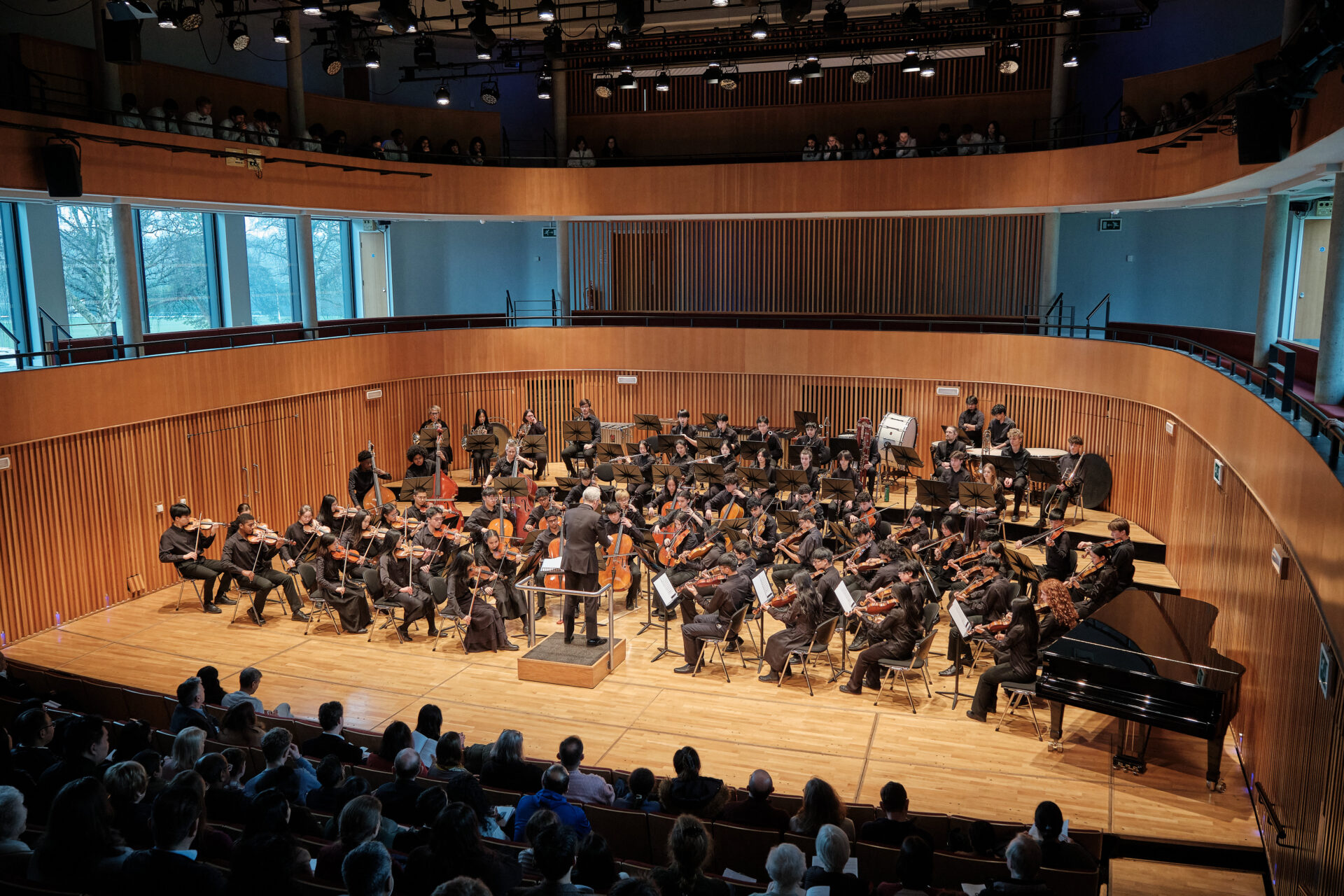
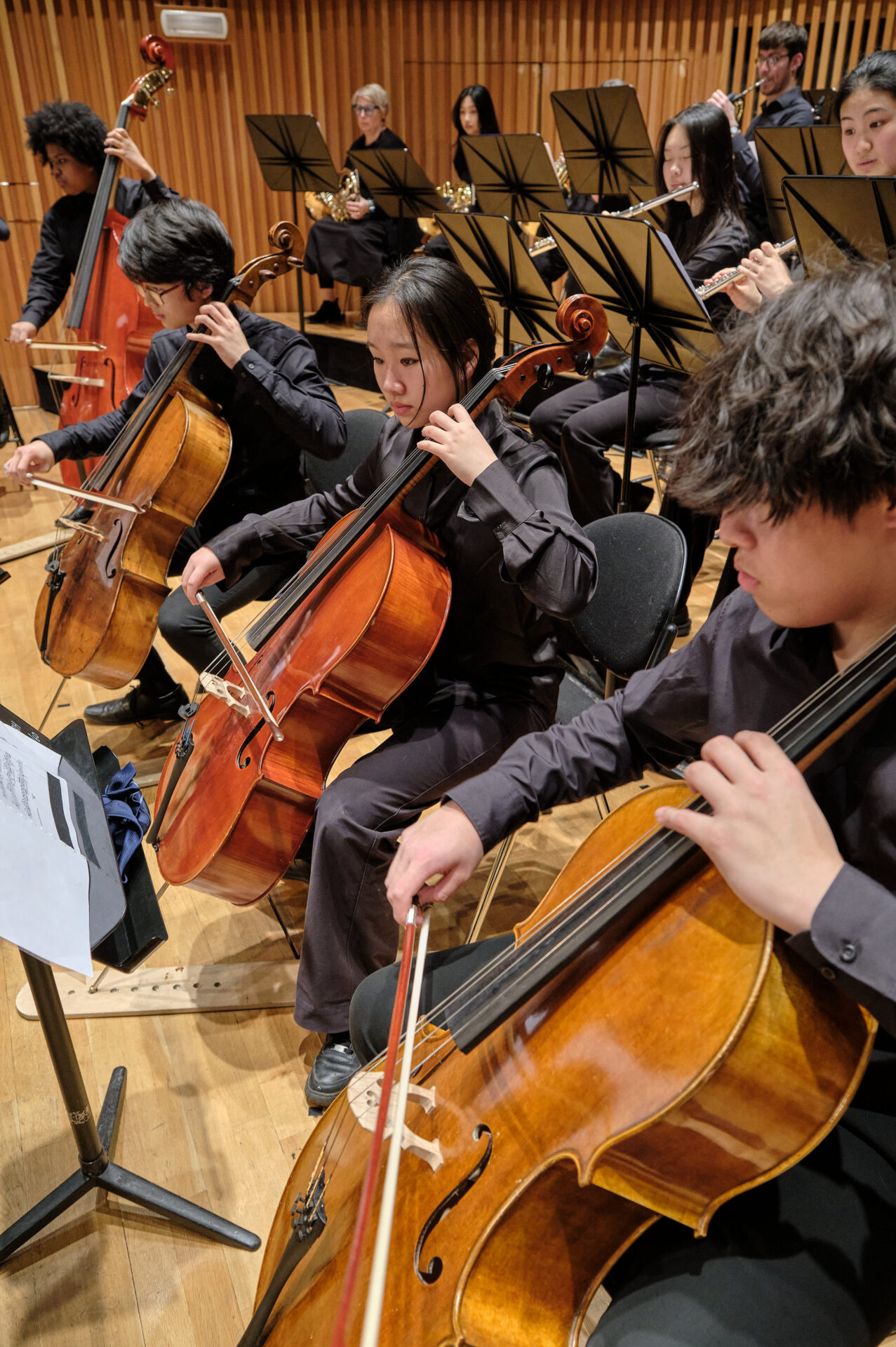
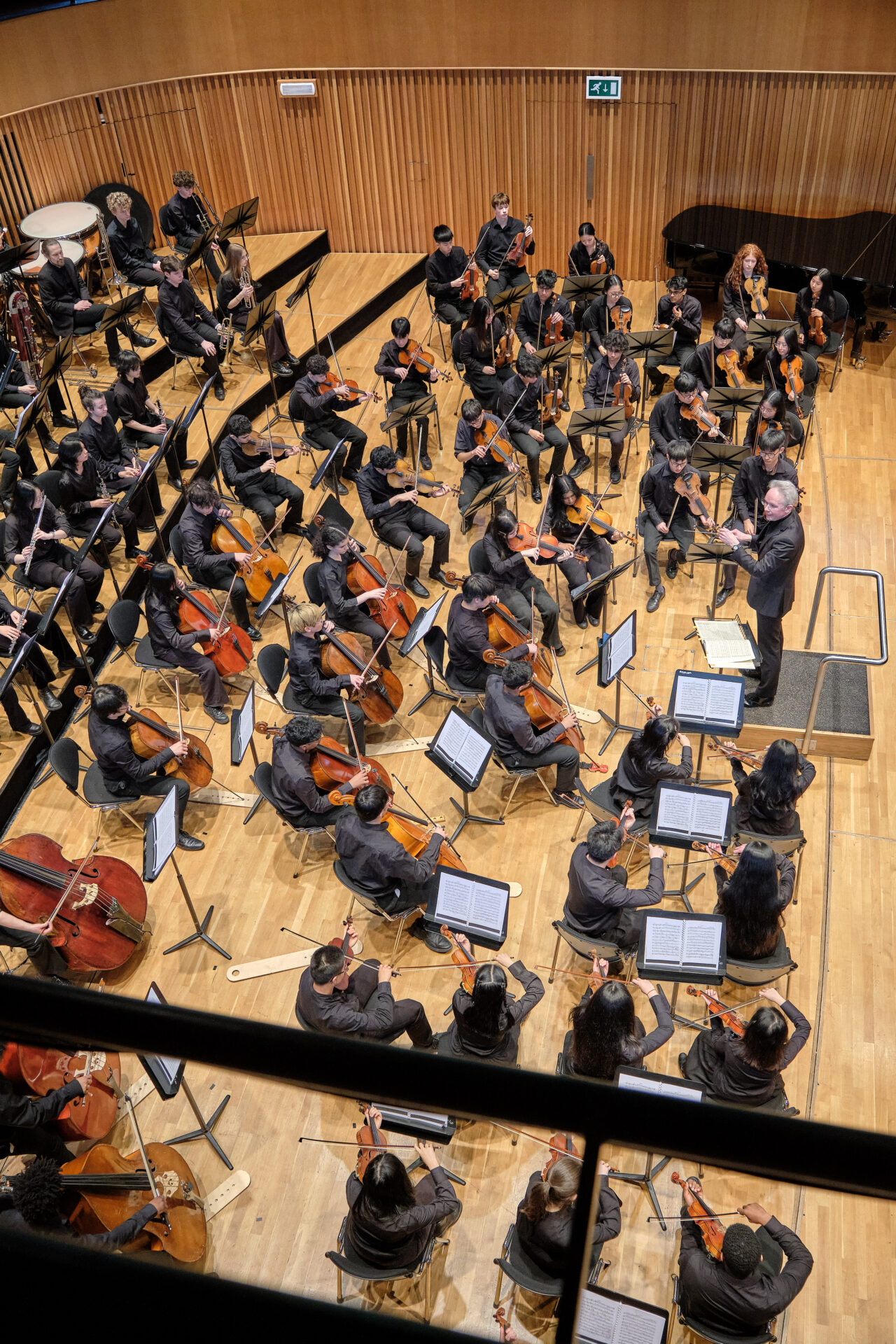
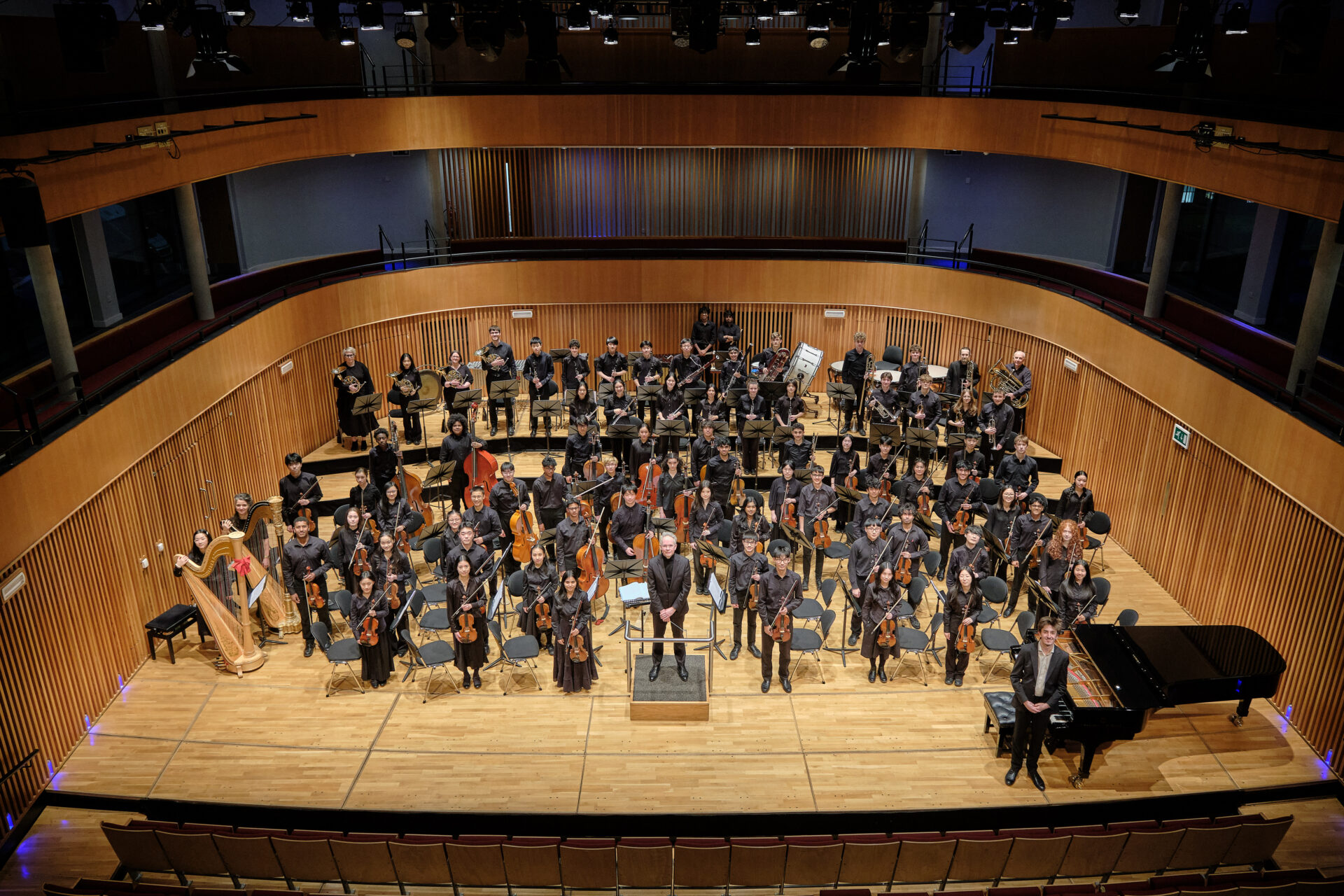
As for the Brahms, well, Dr Leigh certainly isn’t famous for choosing easy pieces! With nowhere to hide, Brahms’ fourth provided a new challenge for the Symphony Orchestra, with countless expressive passages requiring complete perfection due to their exposed nature. Despite all this, they pulled it off, most certainly doing justice to Brahms’ final symphony, skillfully capturing and conveying the sense of lamentation that the composer intended.
All credit must go to Dr Leigh and Ms Markgren, and all the music and RPAC staff, without whom none of our wonderful concerts would be possible.
Theo (Sixths)
Choral and Orchestral Concert 2, 9th March
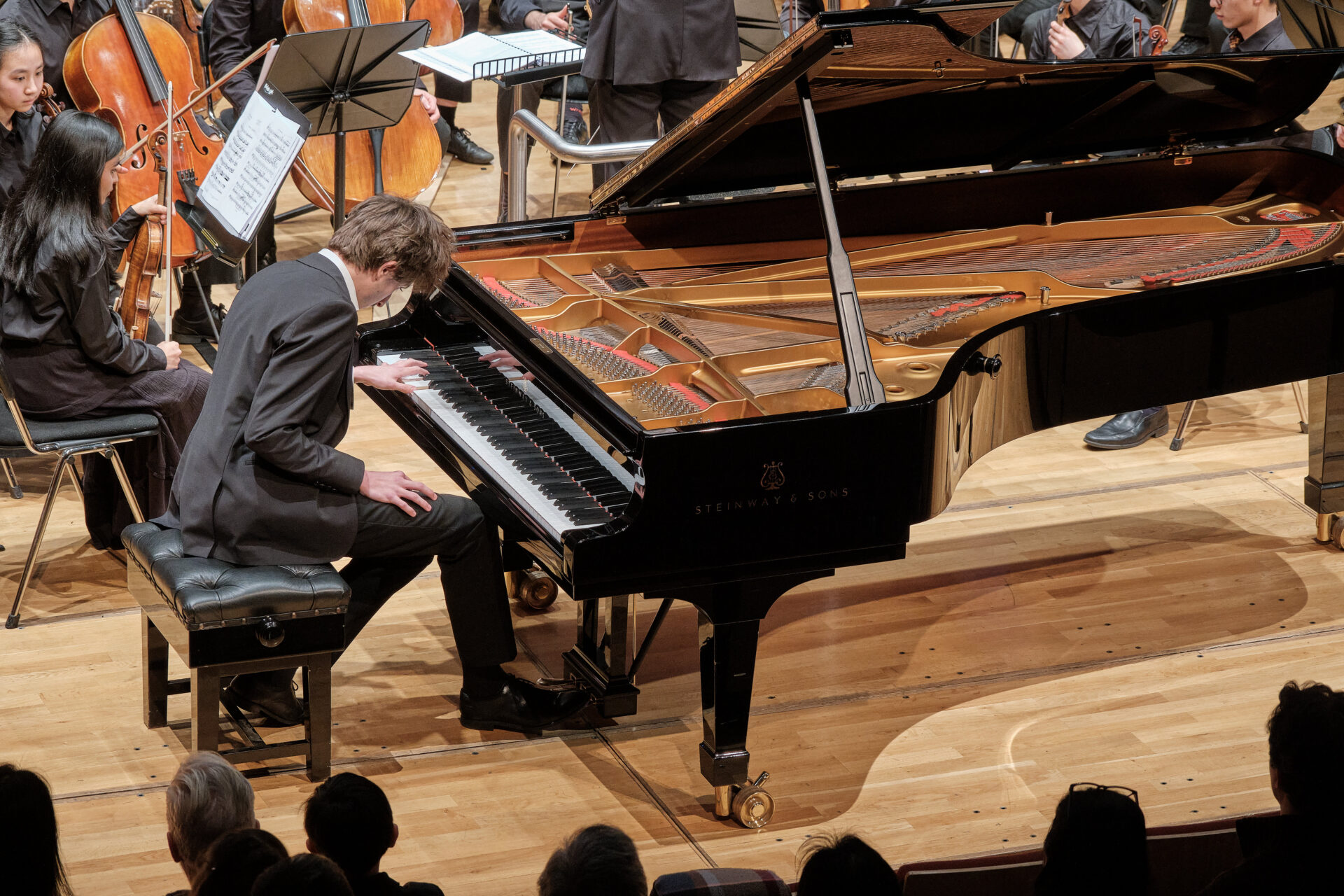
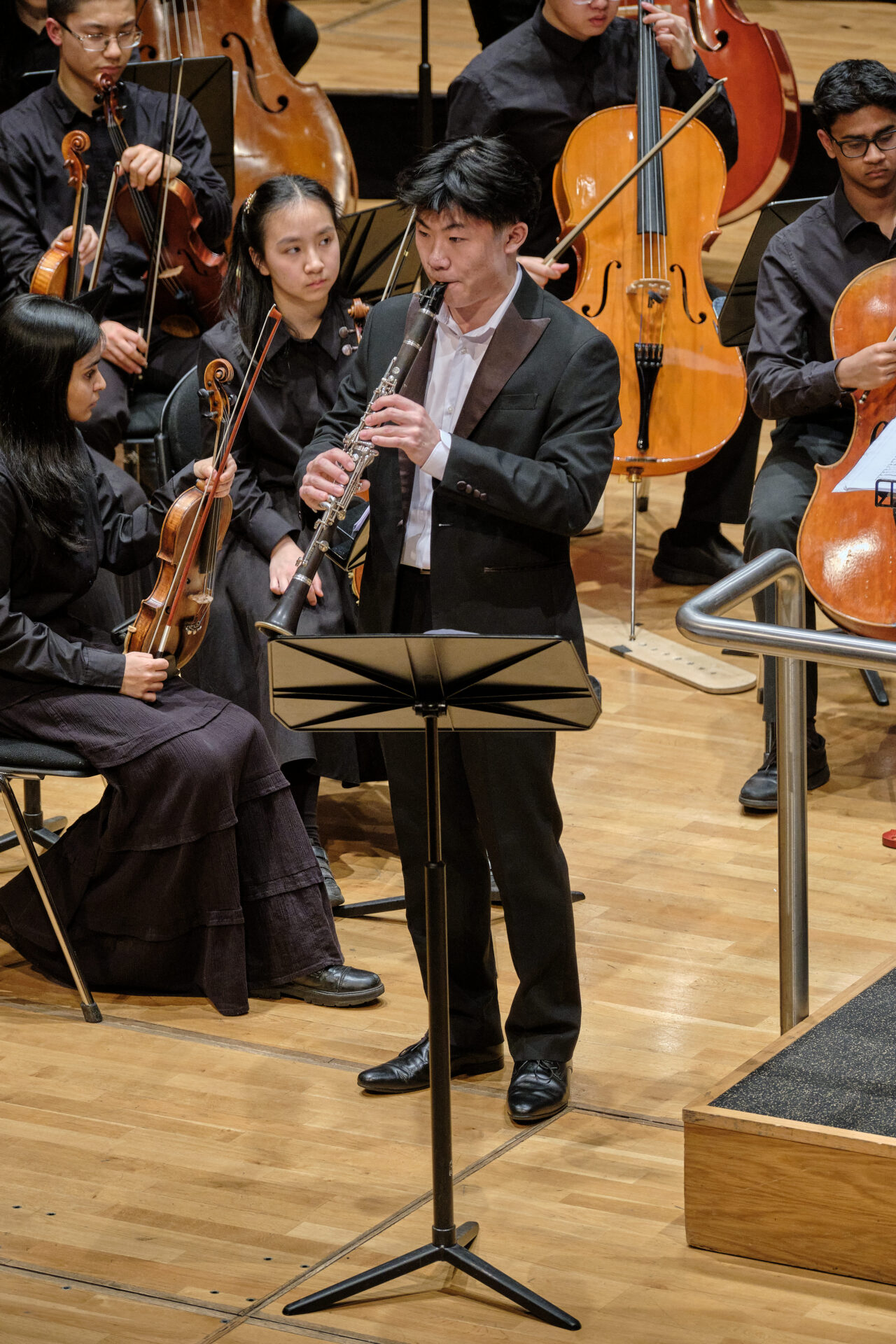
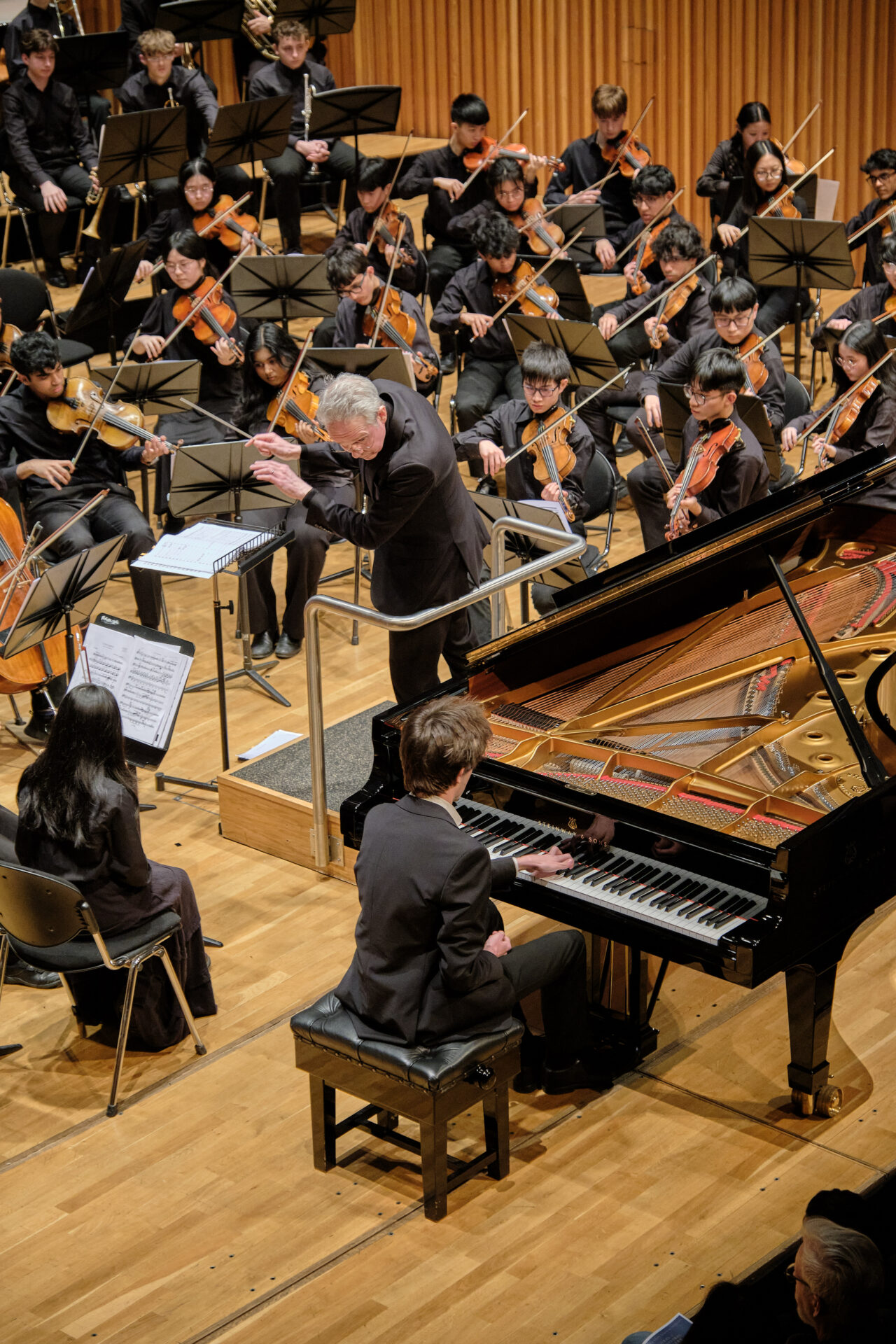
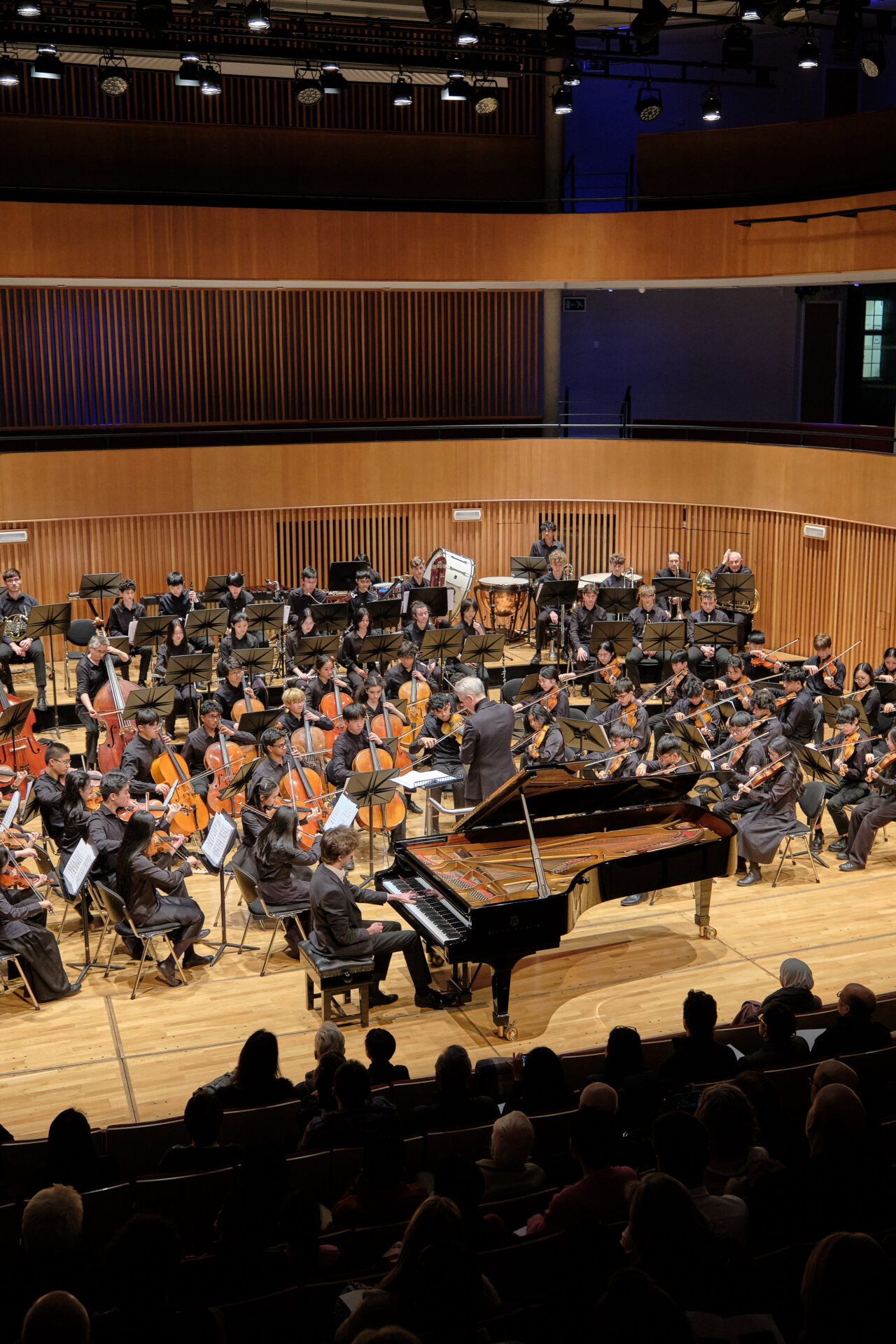
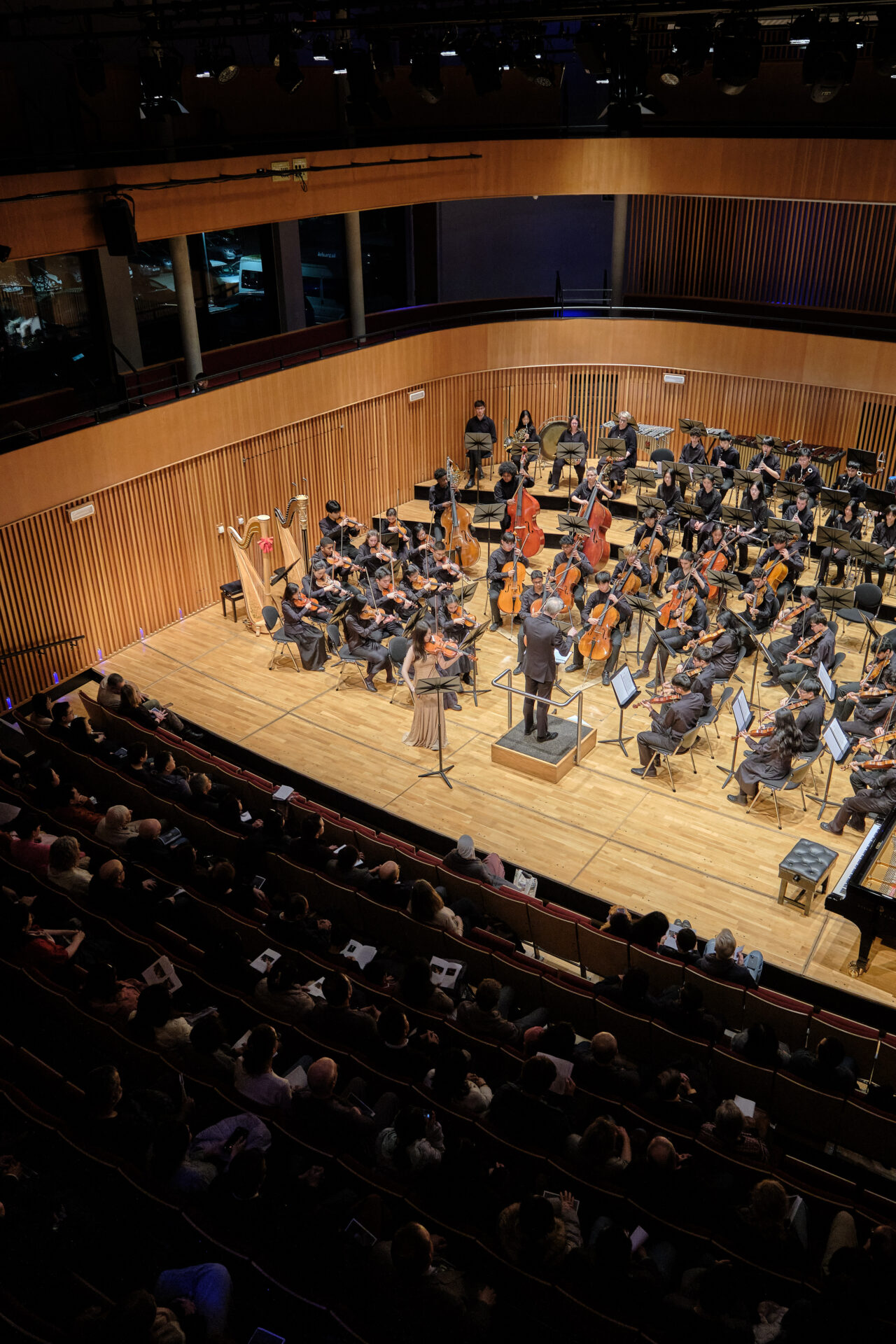
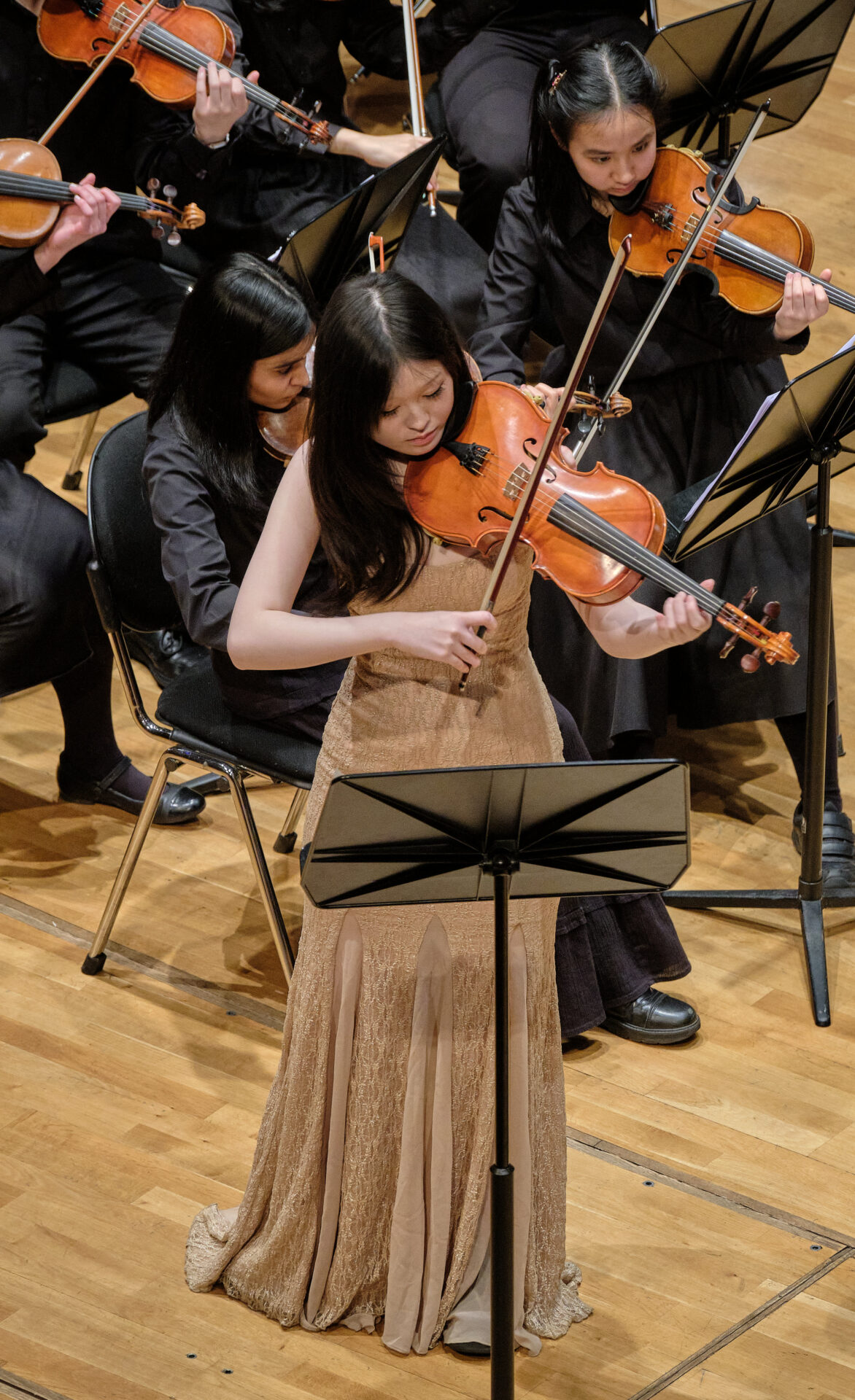
The second Choral and Orchestral concert began with the Navarro clarinet concerto – a piece infused with Spanish Flamenco tunes, full of character and passion (and claps from the wind and brass sections). The soloist, Simon, was more than up to the task, bringing out the flamboyance of the solo clarinet expertly. This was followed by Bruch’s viola concerto, a contrasting piece full of rich, regal melodies and deep harmonies. Not many concertos have been written for the viola, but there was no better instrument for the job, and the soloist Karen brought out the full potential of the instrument in a truly moving performance. The next concerto was perhaps the most unorthodox of all – a piano concerto written for the left hand. Ravel, being an impressionist, often used chromatic harmonies and unorthodox orchestration to convey ideas and emotions, and Max’s emotive performance brought out the true colours of the piece, resulting in a memorable and spectacular performance.
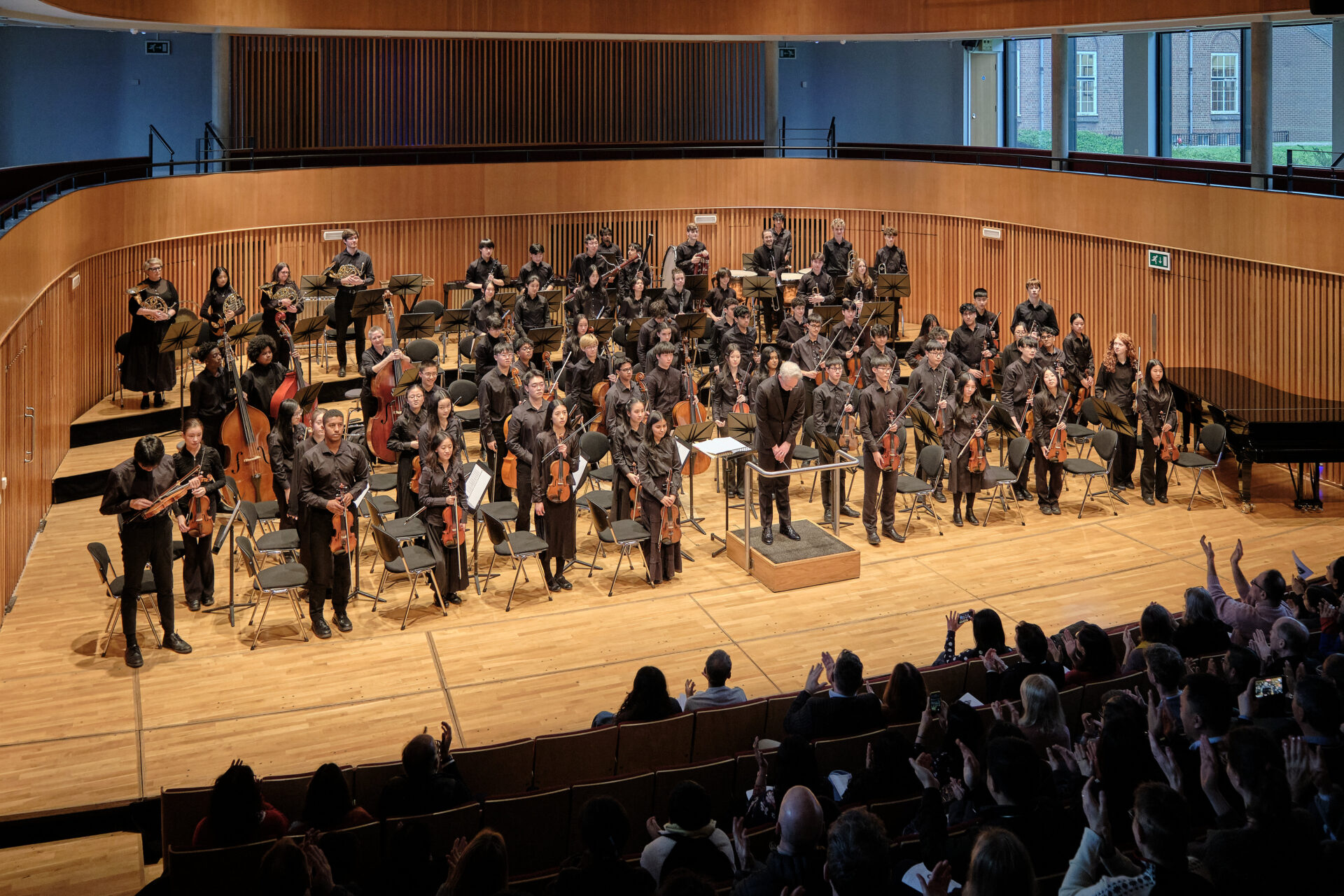
The second half of the concert brought the second performance of the Brahms. The piece is complicated and dynamic, tragic yet gleeful, lively yet peaceful: much like the man himself, often in a state of emotional tension, and this is always reflected in his music. The performance built upon the performance on Sunday, truly expressing the emotions of a man who has witnessed it all, who has felt it all and who has a true grasp of symphonic writing, resulting in a masterpiece, rich yet delicate, with nowhere to hide for the performers or the conductor. However, Symphony Orchestra (and our great conductor, Dr Leigh) were up to the task, filling the Ruddock Hall with a sea of raw, unadulterated passion.
Krishie (Sixths)