Art
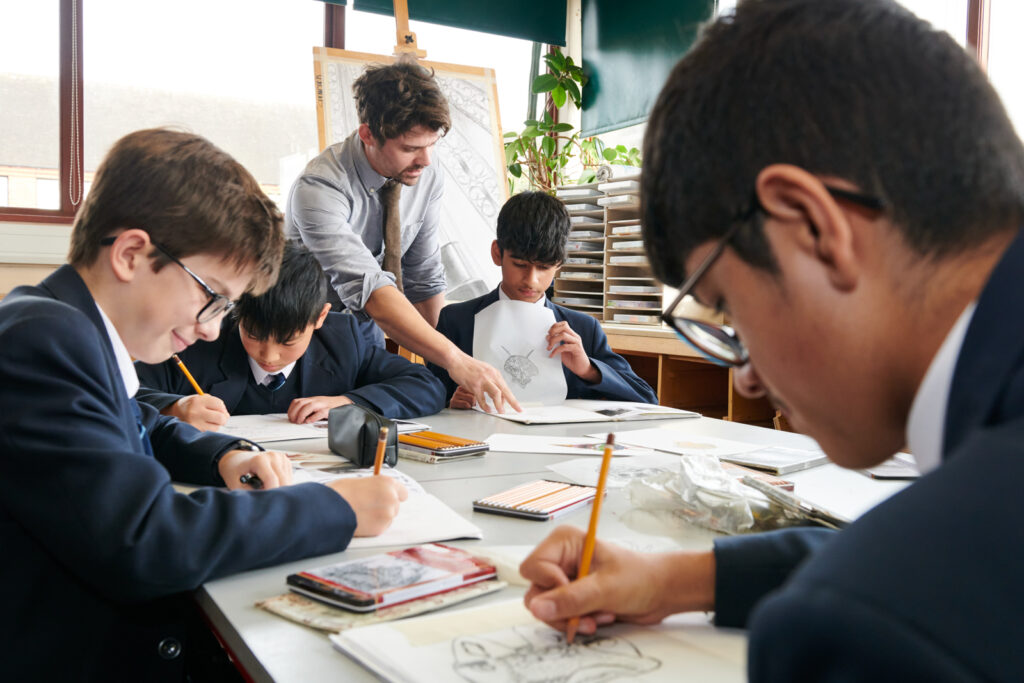
The study of art provides a vital form of expression and opens up additional ways to experience and appreciate the world around us.
At King Edward’s School, we seek to provide an exciting and stimulating environment in which boys can develop their critical, practical and creative skills, and explore their artistic potential.
At GCSE, the Art and Design course covers drawing, painting, mixed media, printing, sculpture and ceramics. Students are taught the principles of the different techniques and how to approach the specific materials, and learning is consolidated through workshops led by practising artists.
Studying art in galleries is an integral part of the course and students will be expected to make reference to the works of other artists, different cultures and art movements in relation to their own work. Creativity and expression of students’ own ideas is encouraged from the start of the course and we seek to develop the practical skills boys need to succeed as creative thinkers.
Future careers
In a world where the future of AI is still yet to be defined it makes sense to possess a degree of manual creativity and to hone skills that cannot be surpassed or replicated by technology. The pursuit of Art gives you this in abundance as you are effectively learning how to negotiate complex themes and projects in a way that is totally individualistic and that are steeped in the physical realm of production.
You may be a painter, sculptor, ceramicist or designer but the greatest skill you will develop is how to problem solve in a lateral and unpredictable way that creates original ideas and results. This can extend to careers in Art, Design, Fashion, Architecture, Advertising, Marketing, Film, Theatre and anything else that falls within the Creative Industries.
Beyond the classroom
We enter our students’ work into a range of national and international competitions, such as the Rise Art Prize, and also support competitions entered by other academic departments through the production of films and materials. Art Society provides the opportunity for students to share details of projects that they have been working on with their peers.
Meet the Head of Department
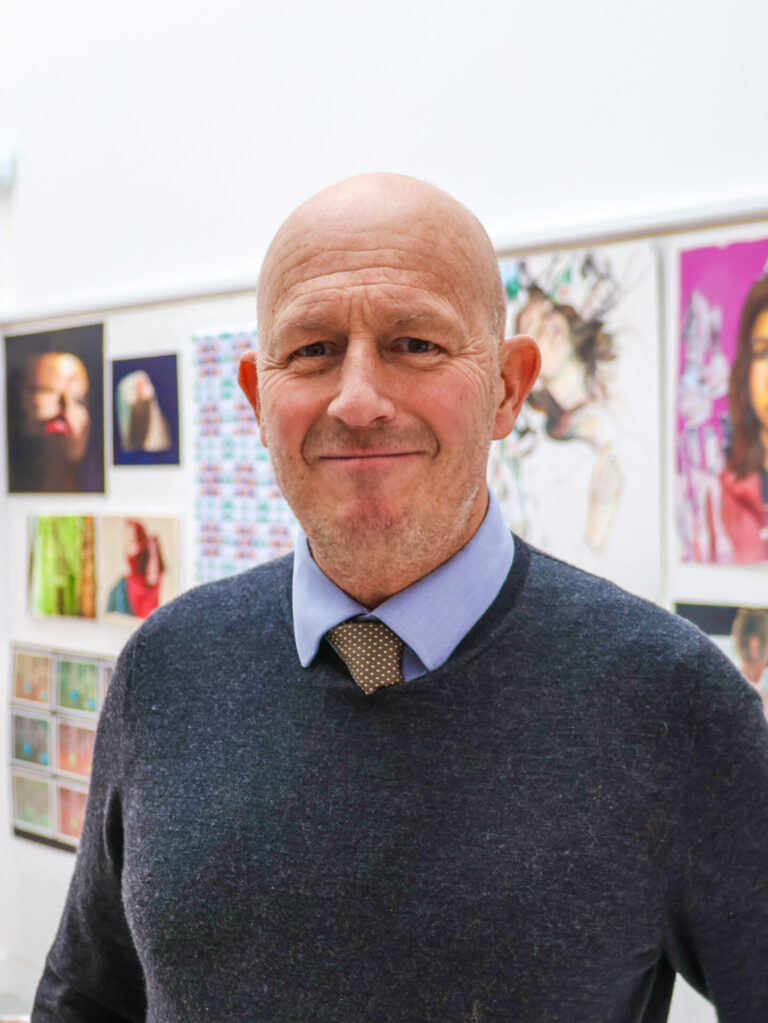
Mr Bassett
Mr Bassett studied sculpture at Kingston University and the University of North Carolina in the US before undertaking his master’s degree at Duncan of Jordanstone College of Art, University of Dundee in Fine Art. After a year working in Milan as an illustrator and public artist, he returned to England to embark on his teaching career by taking his PGCE at Goldsmith College, London.
Mr Bassett has taught in a range of comprehensive and independent schools across the country including King Edward VI Handsworth School for Girls and Elmhurst School for Dance where he was also the Head of Boys’ Boarding for three years.
He is currently the Head of Faculty overseeing Art at King Edward VI High School for Girls, King Edward’s School and the Foundation Lead in Education for Art and Design. Mr Bassett is a passionate ambassador for both his subject areas and all that is involved in teaching and learning.
In his spare time, Mr Bassett enjoys playing and watching football, travelling, cooking, and visiting places of cultural interest. He is also a very keen gardener.
Meet the Head of Faculty (Arts)
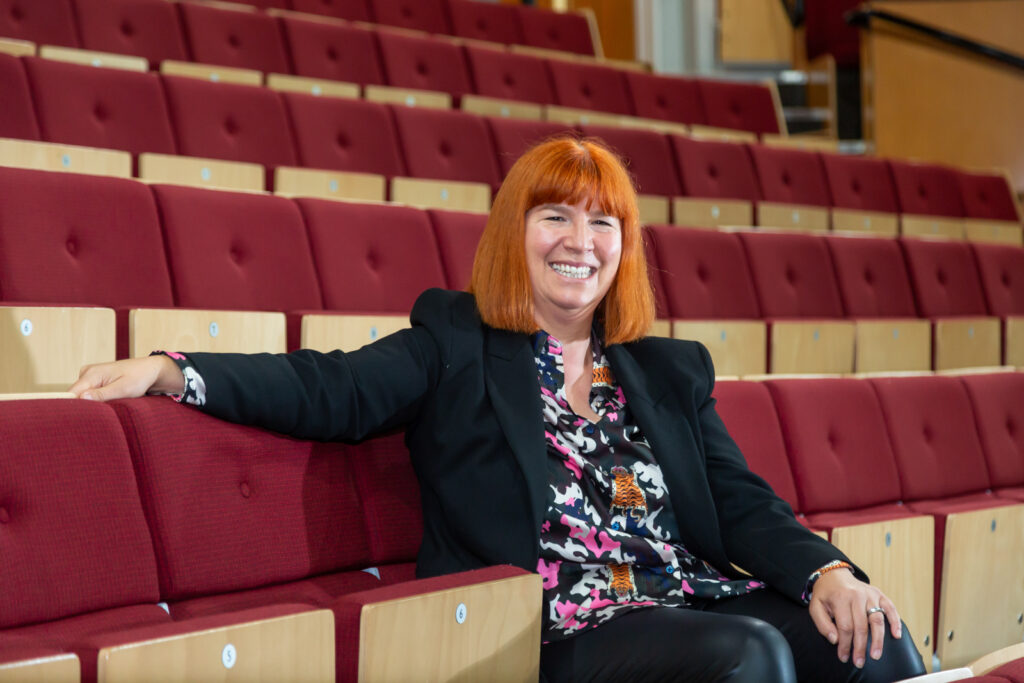
Mrs Higgins
After studying Drama and Film at university, Mrs Higgins followed a career in film and TV production before retraining to teach Drama. She started her teaching career in London before moving to Devon with her husband to work in various grammar schools whilst also enjoying life by the sea. City life beckoned and she started working at King Edward’s School in 2015 which has allowed her maximum access to professional theatre, her passion.
Alongside this, she has developed a career as a Senior Drama examiner and is a Governor at a school in the King Edward VI Foundation. She is particularly interested in boys’ education and enjoys exploring new developments in teaching to optimise the boys’ learning experience. She is delighted to work with such talented and creative people in the Faculty of Creative Arts.
She regularly travels around the country at weekends to catch theatre productions and particularly enjoys new theatre. In her spare time, she has recently started an Olympic Weightlifting course.